
How to Build a Personal Brand on Instagram
Vietnamese
Quick answer: To build a personal brand on Instagram, consistently share authentic, high-quality content that reflects your niche. Engage actively with your audience by responding to comments and DMs within 24 hours. Utilize relevant hashtags—aim for 5-10 per post—and explore Instagram Stories and Reels to showcase your personality and expertise. Consistency is key; posting 3-5 times a week can significantly boost visibility and engagement.
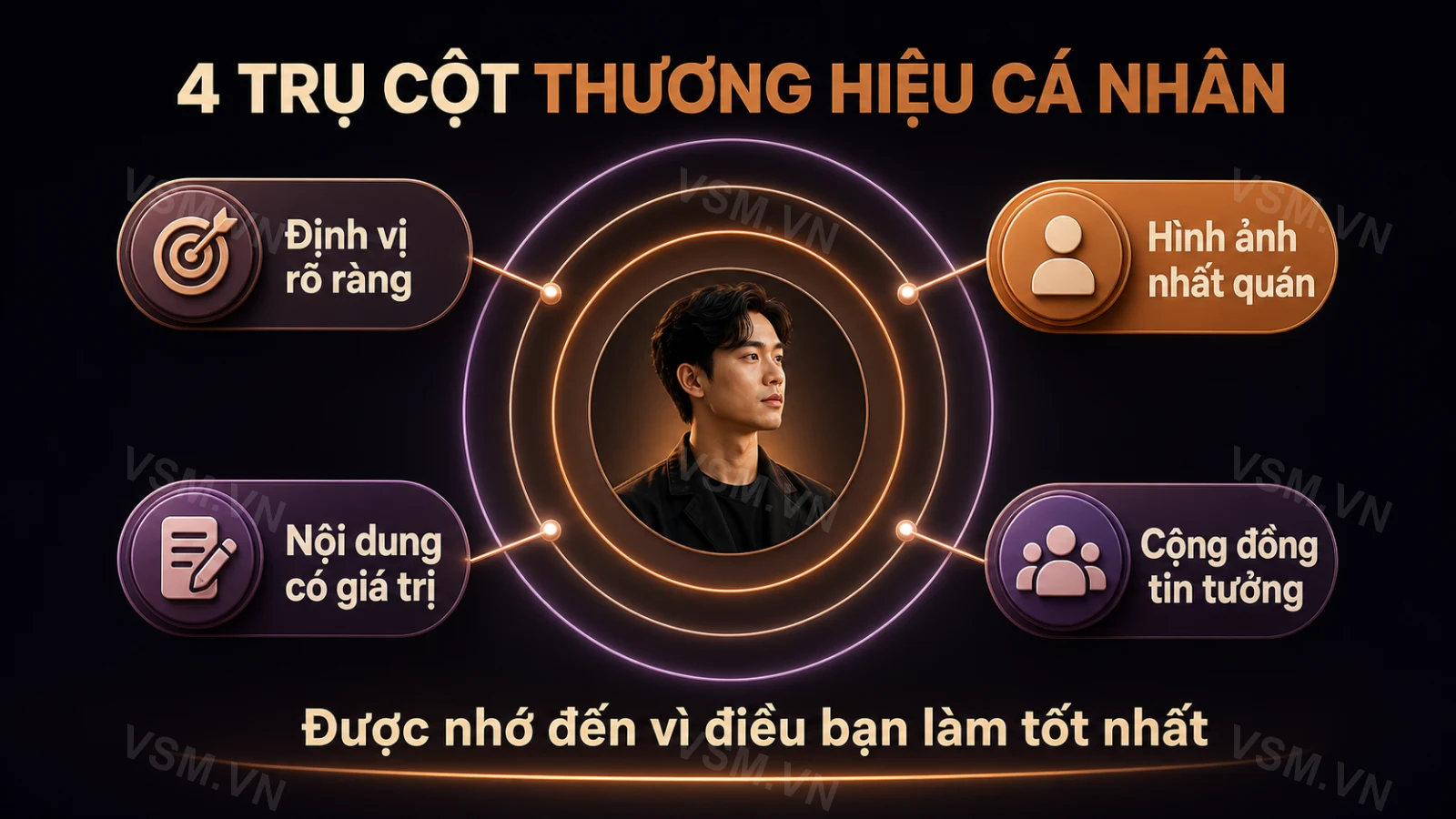
Instagram is no longer just a place to post pretty pictures — it has become a personal "storefront" where recruiters, customers, and business partners size you up within a few seconds of scrolling through your profile. That's exactly why building a personal brand on Instagram has become an essential skill for freelancers, online shop owners, KOLs/KOCs, and even office professionals looking to expand their career opportunities.
Unlike posting on a whim, personal branding requires a clear strategy: positioning yourself, designing a consistent visual identity, producing valuable content, and optimizing engagement metrics so Instagram's algorithm favors your posts. This guide walks through each step in detail, making it easy to apply even if you're just starting out.
What Is a Personal Brand on Instagram, and Why Does It Matter?
Personal branding on Instagram is how you proactively shape your image, values, and story in the eyes of your followers — through your content, visual style, and the way you engage with your audience. It's different from simply posting nice photos: a strong personal brand makes people associate you with a specific field or value, such as "marketing expert," "beauty reviewer," or "wellness coach."
An Instagram profile with a clearly defined personal brand brings several advantages: it's easier to attract brand collaborations, it builds trust when selling products, it expands your professional network, and it creates a lasting foundation instead of depending on a single fleeting trend.
The Psychology Behind Personal Branding
At its core, personal branding taps into fundamental human psychology: people trust people. In an increasingly digital and often anonymous world, a personal brand provides a face, a voice, and a relatable story. It humanizes your offerings, whether they are products, services, or expertise. When followers feel they "know" you, they are more likely to engage, trust your recommendations, and ultimately become loyal customers or advocates.
This trust factor is crucial. For instance, a freelancer with a strong personal brand showcasing their expertise and personality is more likely to land high-paying clients than one with an anonymous, generic profile, even if their skills are comparable. The brand acts as a shortcut to credibility, signaling professionalism and reliability.
6 Steps to Build a Personal Brand on Instagram From Scratch
1. Define Your Positioning and Target Audience
Before publishing your first post, answer three questions: what do you want to be known for, who is your ideal follower, and what problem can you solve for them? The more specific your positioning (for example, "clean-eating recipes for busy office workers" rather than a generic "loves cooking"), the more memorable your content becomes and the better it attracts followers with a genuine need for what you offer.
Practical Steps for Defining Your Niche:
- Self-Reflection: List your passions, skills, and expertise. What topics could you talk about for hours without getting bored? What problems do you naturally help others solve?
- Market Research: Look at what other successful personal brands in similar fields are doing. Identify gaps or underserved niches. What unique perspective can you bring?
- Audience Persona: Create a detailed profile of your ideal follower. What are their demographics (age, location, profession)? What are their interests, pain points, and aspirations? Where do they spend their time online? Understanding them deeply will guide your content strategy.
- Value Proposition: Clearly articulate the unique value you offer. How do you stand out? For example, if you're a fitness coach, are you specializing in post-natal fitness, strength training for seniors, or sustainable weight loss for busy professionals?
Example: Instead of "I help people get fit," try "I empower new mothers to regain their strength and confidence through gentle, at-home workouts and nutrition tips." This immediately tells your audience who you are for and what specific problem you solve.
2. Design a Consistent Visual Identity
Your bio, profile picture, color palette, and the fonts used in your story highlights should all feel cohesive to project a professional image. Your bio should clearly state who you are, what you do, and the value you offer visitors, along with a short call to action such as a collaboration contact or website link. Story highlights should be organized by category (projects, client feedback, behind-the-scenes) so new visitors can grasp your story within just a few taps.
Elements of a Strong Visual Identity:
- Profile Picture: Use a clear, high-quality headshot where your face is easily recognizable. Smile genuinely. This is often the first impression.
- Instagram Bio: This is prime real estate. Use emojis to break up text and convey personality. Include keywords related to your niche.
- Line 1: Who you are (e.g., "Digital Marketing Strategist")
- Line 2: Who you help/what you do (e.g., "Helping small businesses grow online")
- Line 3: Your unique value/result (e.g., "Achieve 2x ROI with smart ad campaigns")
- Line 4: Call to action (e.g., "DM for a free audit" or "Link in bio for resources")
- Color Palette & Fonts: Choose 2-3 primary colors and 1-2 accent colors that reflect your brand's personality (e.g., vibrant for energetic, muted for serene). Stick to 1-2 readable fonts for any text overlays on stories or Reels. Tools like Canva can help you maintain consistency.
- Content Style: Decide on a consistent filter or editing style for your photos and videos. Do you prefer bright and airy, dark and moody, or natural tones? This creates a recognizable feed aesthetic.
- Story Highlights: Use custom cover images for your highlights that match your brand's colors and fonts. Organize them logically: "About Me," "Services," "Testimonials," "Q&A," "Behind the Scenes," "Tips."
3. Build Valuable Content Around Core Content Pillars
Instead of posting random content, break your output into three or four "content pillars" built around your chosen positioning — for example: expert knowledge, personal stories, products/services, and community engagement. Posting consistently (3–5 times a week) matters more than publishing in bursts and then going silent, since Instagram's algorithm rewards consistency and watch-through rate, especially for Reels.
Developing Your Content Pillars:
Content pillars are broad categories that ensure your content remains relevant to your niche and diverse enough to keep your audience engaged. They prevent you from running out of ideas and help maintain focus.
- Pillar 1: Educational/Expertise: Share your knowledge, tips, tutorials, how-tos, industry insights, or debunk myths. This establishes you as an authority. Example: For a financial advisor, this could be "5 Budgeting Hacks for Millennials" or "Understanding Compound Interest."
- Pillar 2: Personal/Behind-the-Scenes: Share your journey, challenges, successes, daily routines, or personal opinions related to your niche. This builds connection and relatability. Example: A fitness coach might share their own workout struggles or a healthy meal prep routine.
- Pillar 3: Inspirational/Motivational: Share quotes, success stories (yours or clients'), mindset tips, or encouraging messages. This uplifts your audience. Example: A life coach might share client testimonials or motivational quotes about overcoming obstacles.
- Pillar 4: Promotional/Call to Action: Introduce your products, services, workshops, or collaborations. This is where you convert interest into action. Example: An artist might showcase a new piece for sale or announce an upcoming exhibition.
Content Format Diversity:
Don't limit yourself to just static images. Instagram offers a variety of formats:
- Reels: Short, entertaining videos are highly favored by the algorithm. Use trending audio, provide quick tips, or show behind-the-scenes glimpses.
- Carousels: Great for educational content, step-by-step guides, or before-and-after comparisons.
- Stories: Ideal for daily updates, polls, Q&As, quizzes, and direct engagement. Use them to share impromptu moments and build rapport.
- Live Videos: Host Q&A sessions, interviews, or workshops. This offers real-time interaction and deepens connections.
Plan your content using a calendar to ensure a consistent mix across your pillars and formats.
4. Optimize Real Engagement So the Algorithm Favors You
Likes, comments, saves, and shares are key signals Instagram uses to decide whether to push your content to the Explore tab. Ask questions in your captions, reply to comments quickly during the golden hour right after posting, and encourage viewers to save your post if it's genuinely useful. For more specific tactics, check out our guide on how to increase Instagram likes fast to optimize the engagement rate on every post.
Strategies for Boosting Authentic Engagement:
- Craft Engaging Captions: Don't just describe the photo. Tell a story, ask a question, share a lesson, or pose a challenge. End with a clear call to action, such as "What's your biggest challenge with X?" or "Tag a friend who needs this!"
- Respond Promptly: The "golden hour" (the first hour after posting) is crucial. Engage with comments and DMs quickly. This signals to the algorithm that your content is generating conversation.
- Utilize Interactive Stickers in Stories: Polls, Q&As, quizzes, and slider stickers are excellent for encouraging participation and gathering insights from your audience.
- Go Live: Live videos generate immediate engagement and allow for direct, unscripted interaction. Announce them in advance to maximize viewership.
- Engage with Others: Don't just post and leave. Spend time genuinely commenting on other accounts in your niche, especially those of your ideal audience. This increases your visibility and attracts new followers.
- Encourage Saves & Shares: Explicitly ask your audience to save your post if they found it valuable or share it with someone who might benefit. Content that gets saved and shared is often deemed highly valuable by Instagram's algorithm. For example, "Save this post for your next workout!" or "Share this with a friend struggling with time management!"
5. Grow Quality Followers to Expand Your Reach
Follower count is just one metric, but it's the first thing that determines whether a stranger decides to trust you and stick around to see your content. A new account with too few followers is often seen as less credible even if the content is great, which can significantly lower the conversion rate from viewer to customer or business partner. If you need an initial follower boost to make your profile look more credible during the brand-building phase, consider a reputable Instagram follower growth service, paired with consistent content production to sustain long-term growth afterward.
Sustainable Follower Growth Tactics:
- Hashtag Strategy: Research and use a mix of broad, niche-specific, and branded hashtags. Don't use the same set every time. Aim for 5-10 relevant hashtags per post.
- Collaborate with Others: Partner with complementary accounts for joint Lives, Reel collaborations, or shout-outs. This exposes your brand to a new, relevant audience.
- Cross-Promotion: Share your Instagram content and profile link on other platforms where you have an audience (e.g., LinkedIn, TikTok, Facebook, email newsletters, website).
- Run Contests & Giveaways: These can be effective for rapid growth, but ensure the prize is relevant to your niche to attract quality followers, not just freebie-seekers. Require participants to follow and tag friends.
- Leverage Instagram Ads: Targeted ads can put your content in front of a highly specific audience, accelerating growth. Start with a small budget and test different creatives and audiences.
- Optimize for Search: Use relevant keywords in your name, username, and bio to make your profile discoverable through Instagram's search function.
- Analyze Your Insights: Regularly check Instagram Insights to understand which content resonates most with your audience, their demographics, and when they are most active. Adjust your strategy accordingly.
6. Network, Collaborate, and Stay Consistent Long-Term
Proactively engage with accounts in your niche, take part in collab posts, or appear in other people's stories to get your personal brand in front of more people. Most importantly, keep your tone and core values consistent over time — this is exactly what earns your followers' long-term trust and loyalty, rather than a fleeting follow triggered by a single viral post.
Strategies for Long-Term Consistency and Growth:
- Community Engagement: Beyond replying to comments, actively participate in conversations on other accounts' posts. Be a valuable member of your niche's community.
- Strategic Collaborations: Seek out creators or businesses whose audience aligns with yours but isn't identical. This could be joint Reels, shared Live sessions, or guest posts.
- Attend Industry Events (Online & Offline): Networking extends beyond Instagram. Meeting people in your field can lead to collaborations and cross-promotion opportunities.
- Review and Adapt: Your personal brand isn't static. Regularly review your content performance, audience feedback, and market trends. Be prepared to adapt your strategy while staying true to your core values.
- Batch Content Creation: To maintain consistency, dedicate specific blocks of time to plan, create, and schedule multiple posts at once. This reduces the pressure of daily creation.
- Patience and Persistence: Building a strong personal brand is a marathon, not a sprint. There will be plateaus and slow periods. The key is to remain consistent, continue providing value, and trust the process.
Benefits of Building a Well-Planned Personal Brand on Instagram
- Boosts your credibility and reputation in the eyes of customers, partners, and recruiters.
- Opens the door to brand collaborations, freelance work, or easier product/service sales.
- Builds a loyal follower community that relies less on paid advertising.
- Creates a long-term digital asset that can be leveraged for multiple goals (sales, hiring, launching new channels).
- Increased Authority: A strong personal brand positions you as an expert in your field, making your opinions and recommendations more influential.
- Enhanced Trust: People are more likely to buy from, hire, or partner with individuals they know, like, and trust. Your personal brand cultivates this trust.
- Greater Opportunities: From speaking engagements to book deals, a recognized personal brand can unlock opportunities you might not have otherwise encountered.
- Resilience: A personal brand provides a stable foundation. If algorithms change or platforms evolve, your established audience and reputation can often transition with you.
Pitfalls and Risks to Avoid
Many people, eager for fast results, fall into unsustainable shortcuts like hashtag spamming, mass follow-unfollow tactics, or buying fake engagement from unreliable sources. These practices can trigger a drop in organic reach (shadowban) or get your visibility restricted by Instagram. The safe rule of thumb is to always prioritize real content, and only use growth-support services from reputable providers that grow your numbers at a natural pace and don't violate the platform's terms of use.
You should also avoid constantly changing your positioning, which makes it hard for followers to recognize what field you actually work in. Staying consistent for at least the first 3–6 months is the minimum requirement before a personal brand starts to stick in people's minds.
Common Mistakes and How to Sidestep Them:
- Inconsistency: This is the biggest killer of personal brands. Irregular posting, shifting visual styles, or changing your niche too frequently confuses your audience and prevents growth. Create a content calendar and stick to it.
- Lack of Authenticity: Trying to be someone you're not will eventually backfire. People gravitate towards genuine connections. Let your true personality shine through.
- Ignoring Your Audience: A personal brand is a two-way street. Failing to engage with comments, DMs, or feedback makes your audience feel unheard and undervalued.
- Over-Promoting: While sales are a goal, constantly pushing products or services without providing value first will drive people away. Follow the 80/20 rule: 80% value, 20% promotion.
- Comparing Yourself to Others: It's easy to get discouraged by others' success. Focus on your own journey, celebrate small wins, and learn from others without letting comparison steal your joy.
- Neglecting Analytics: Instagram Insights is a powerful tool. Ignoring data on what works and what doesn't means you're flying blind. Use insights to refine your strategy.
Ethical Considerations in Personal Branding
As your personal brand grows, so does your influence. It's crucial to maintain ethical practices:
- Transparency: Always disclose sponsored content or affiliate partnerships as required by regulations and for the sake of your audience's trust.
- Respectful Engagement: Maintain a positive and respectful tone in your interactions. Avoid engaging in online arguments or negativity.
- Data Privacy: Be mindful of any personal data you collect or interact with, especially if you're using third-party tools.
- Intellectual Property: Always give credit where credit is due, whether it's for an idea, an image, or a piece of music. Avoid plagiarism.
The Future of Personal Branding on Instagram
Instagram is constantly evolving, and so should your brand strategy. Keep an eye on new features like shopping tags, collaborative posts, and enhanced analytics. Audio-first content, short-form video, and immersive experiences are likely to dominate, making it essential to diversify your content formats and stay adaptable. The core principles of value, consistency, and authenticity, however, will remain timeless.
Frequently Asked Questions
How long does it take to build a personal brand on Instagram? It typically takes 3–6 months of consistent, regular posting to start seeing noticeable results, and 1–2 years to become a personal brand with real influence in your chosen field.
Do I need a lot of followers to build a personal brand? Followers aren't the only factor, but they are the first metric that builds initial trust; quality content and genuine engagement are what ultimately keep followers around for the long haul.
How many posts per week should I publish to build a personal brand effectively? 3–5 posts a week (including Reels and stories) is a good frequency to maintain visibility while still ensuring content quality, rather than posting in bursts followed by long gaps.
Is building a personal brand different from selling on Instagram? Yes. Selling focuses on driving immediate conversions, while personal branding focuses on building long-term trust and value — which, in turn, makes future sales or collaborations easier and more sustainable.
Should I use a business or personal Instagram account for personal branding? A business account is highly recommended as it provides access to Instagram Insights (analytics), allows you to run ads, and enables features like contact buttons, which are crucial for professional branding.
What if my niche is very specific or "boring"? Even seemingly niche or "boring" topics can be made engaging through creative content, storytelling, and personality. Focus on solving specific problems for a defined audience, and your passion will shine through. Think about accountants who make tax tips fun on TikTok – it's all about presentation.