
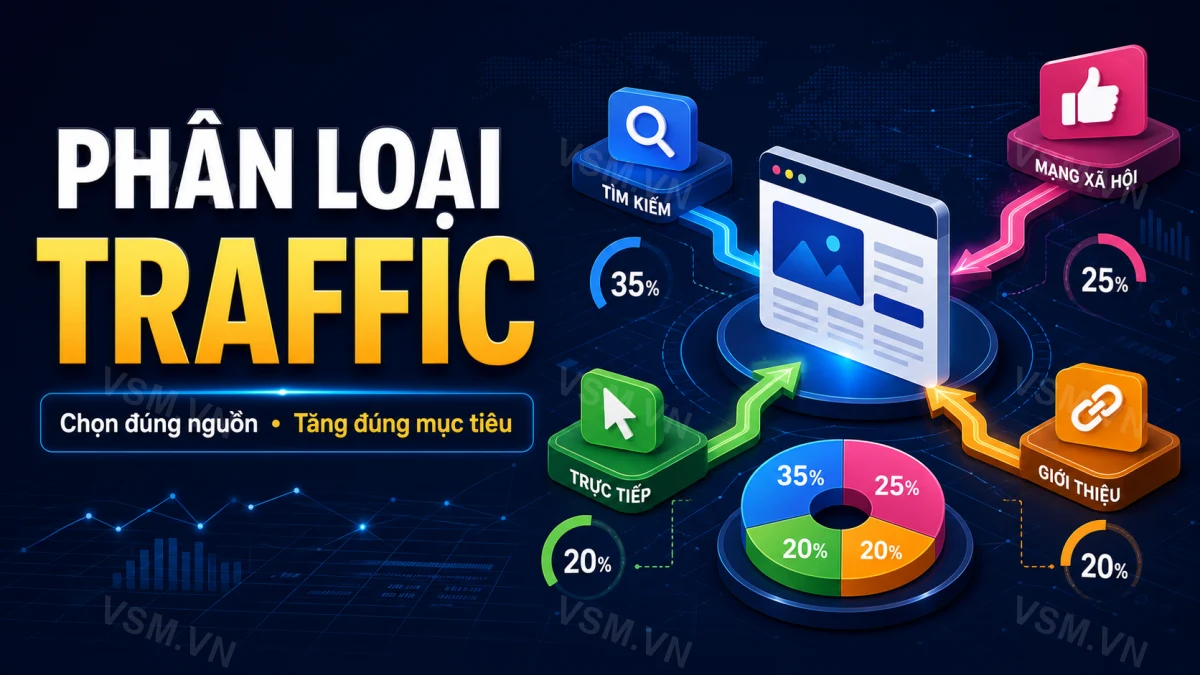
In today’s digital age, owning a website is no longer uncommon. From large businesses to individuals and bloggers, everyone leverages the internet to promote their brand, products, and services. However, merely having a website isn’t enough—driving traffic, or the number of visitors to your site, is essential for success. Website traffic plays a crucial role in boosting revenue, enhancing brand visibility, and building a user community. Yet, traffic comes in various forms, each suited to specific goals and business strategies. Understanding these types and choosing the right one is vital to optimize your website’s performance. This article provides a comprehensive overview of website traffic types and guides you in selecting the most suitable option for your needs.
How is Website Traffic Classified by Source?
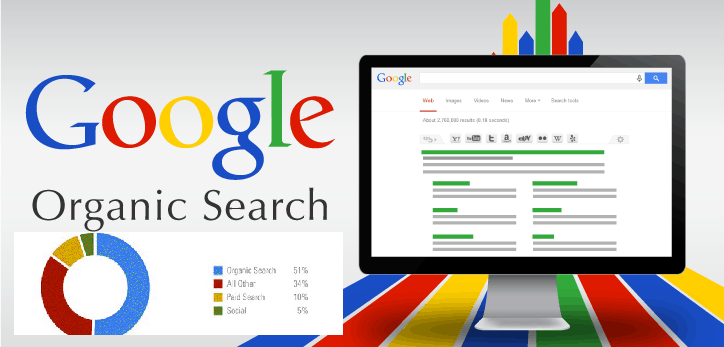
Website traffic is categorized based on the origin of its users. Each type has unique characteristics and serves distinct purposes.
What is Organic Traffic?
Definition: Organic traffic refers to visitors arriving from natural search results on engines like Google, Bing, or Yahoo. Users search for information related to your products or services, and your site appears in the top results.
Organic traffic doesn’t cost per click directly, but building and optimizing it requires significant time and effort. Known for high quality and conversion rates, it builds trust and credibility when your site ranks high due to users actively seeking information.
For example, if you search “how to grow orchids” on Google and visit a top-ranking flower shop’s site, that’s organic traffic earned through effective SEO.
Paid Traffic
Definition: Paid traffic is acquired by paying for it, typically through platforms like Google Ads, Facebook Ads, banner ads, or social media promotions.
Paid traffic delivers fast results and targets specific audiences, allowing cost and demographic control. However, it can be expensive, and conversion rates hinge on ad quality and landing page effectiveness.
For instance, clicking a Facebook ad for a new product and visiting the seller’s site makes you part of their paid traffic.
Referral Traffic
Definition: Referral traffic comes from other websites via embedded links.
Considered high-quality, referral traffic boosts both visits and conversions. Building it requires relationships with other sites and strategic link-building.
For example, clicking a link in a blog post to an online store is referral traffic from that blog.
Social Traffic
Definition: Social traffic originates from platforms like Facebook, Instagram, Twitter, or YouTube.
Increasingly vital for online marketing, social traffic enhances brand awareness and reach through rapid engagement and sharing. Quality, captivating content is key to driving it.
For example, clicking a website link from a Facebook post is social traffic.
Email Traffic
Definition: Email traffic stems from links embedded in emails.
Directly engaging customers via email marketing, this type boosts sales and conversions. A quality email list and compelling content are essential.
For instance, clicking a product link in a promotional email is email traffic.
How is Website Traffic Classified by Purpose?

Beyond source, traffic is also categorized by user intent, significantly impacting behavior and conversion rates.
Informational Traffic
Definition: This traffic comes from users seeking information or answers to specific questions.
Informational traffic visits for articles, tutorials, or product details, rarely buying immediately. Quality content addressing their needs can turn them into future customers.
For example, a user researching “how to fix a washing machine” visits a repair center’s site—potentially bookmarking it for later.
Transactional Traffic
Definition: Transactional traffic involves users aiming to research and purchase products.
With clear buying intent, these users seek product info, pricing, and policies, offering high conversion potential.
For instance, someone searching “buy Samsung Galaxy S23” and visiting an online store is transactional traffic, likely to buy if details are sufficient.
Entertainment Traffic
Definition: Entertainment traffic comprises users accessing sites for relaxation, like watching videos or reading stories.
Rarely intent on immediate purchases, these users stay longer with engaging content, possibly discovering related offerings.
For example, visiting a site for movies or music is entertainment traffic, with potential for repeat visits if enjoyable.
How Do You Choose the Right Traffic Type?
Selecting the appropriate traffic type is critical to achieving your business goals. Combining various types can optimize your marketing strategy.
Defining Business Goals
Brand Awareness: For boosting recognition, prioritize organic and social traffic. High search rankings and a social media community attract potential customers.
Revenue Growth: To increase sales, blend organic, paid, and referral traffic. Paid offers speed, while organic and referral ensure quality and longevity.
Community Building: For a loyal community, focus on organic and social traffic. Valuable content and social engagement are key.
Analyzing Your Audience
Young, Dynamic Audience: Target youth with social and paid traffic on platforms they frequent for quick connection.
Middle-Aged Audience: Reach middle-aged users with Google Ads’ paid traffic and organic traffic, aligning with their search habits.
High-End Audience: For premium clients, emphasize brand-building with organic and referral traffic from trusted sources, focusing on trust and quality.
Budget Analysis
Limited Budget: Opt for cost-effective organic and social traffic, offering long-term value despite slower growth.
Flexible Budget: Combine organic, paid, and referral traffic to maximize reach and conversions with ample resources.
Competitor Analysis
Monitor competitors’ effective traffic strategies to refine your own. Adapting their successes enhances your results.
Conclusion

Website traffic is a pivotal factor in your site’s success. Understanding its types and selecting the right one is essential. This article offers a comprehensive overview of traffic classification and guidance on choosing the best fit for your goals. Remember, no single type is perfect—flexibly combine and continuously optimize them for maximum effectiveness.