
Instagram Ads: A Beginner's Guide to Running Campaigns in 2026
Vietnamese
Quick answer: Running Instagram ad campaigns in 2026 for beginners will heavily rely on AI-powered automation and personalized content. Focus on leveraging Instagram's evolving Creator Marketplace to find authentic influencers, and prioritize Reels ads for maximum reach, as short-form video will continue to dominate. Expect to utilize advanced targeting options, possibly including predictive behavioral analytics, to optimize your budget, aiming for a consistent ROI within your first 3-6 months.
If you're running a business on Instagram and feel like organic growth is too slow, paid advertising is the fastest way to reach the right target customers. Instagram Ads is Meta's paid advertising system, letting businesses show posts, videos, or products to millions of users based on age, interests, behavior, and location. In 2026, as Instagram's algorithm increasingly favors paid content and Reels dominate user attention, understanding how advertising works is no longer optional — it's essentially a requirement for anyone serious about growing their channel.
This article covers everything you need to know about Instagram Ads: the basic concept, the ad formats available, the campaign setup process, real-world costs, and the common mistakes that burn through budgets for nothing. If you're just starting out, this is a complete roadmap for launching your first ad campaign the right way, so you avoid wasting money during the testing phase.
What Is Instagram Ads and Why It Matters in 2026
At its core, Instagram Ads isn't a standalone advertising system — it runs through Meta Ads Manager, the same platform used to manage Facebook ads. This means every Instagram Ads campaign can tap into the data, tracking pixels, and audience segments already built within the Meta ecosystem, enabling more precise targeting.
Compared with organic growth, paid advertising offers three clear advantages: faster reach, the ability to target the right audience by demographics and behavior, and measurable performance through concrete metrics like CPM, CPC, and conversion rate. This is why even accounts with a large existing following still run ads alongside their organic content to sustain momentum.
The Evolving Landscape of Instagram in 2026
The year 2026 marks a significant shift in how content is consumed and prioritized on Instagram. Reels, Meta's answer to short-form video, have become the dominant content format, capturing user attention for longer periods. This prioritization by the algorithm means that Reels Ads often benefit from increased visibility and potentially lower costs compared to traditional Feed Ads, making them an indispensable tool for advertisers. Furthermore, the platform's algorithms are increasingly sophisticated, using AI to predict user preferences and deliver highly personalized content – both organic and paid. This makes precise targeting even more critical for ad success, as generic campaigns are more likely to be overlooked.
Understanding these trends is crucial. Businesses that adapt their content strategy to align with Instagram's algorithmic preferences, particularly by embracing high-quality short-form video and leveraging advanced targeting, will be best positioned for growth. Ignoring these shifts can lead to diminishing returns from organic efforts and inefficient ad spend.
Popular Instagram Ad Formats
Before setting up a campaign, you need to understand the ad formats Instagram currently supports, since each one serves a different goal:
- Feed Ads: image or video ads that appear directly in the timeline, ideal for showcasing products or brands. These are the most traditional ad format and offer flexibility in creative design, allowing for longer captions and multiple images/videos in a carousel format.
- Story Ads: full-screen ads that appear between Stories, well suited for time-limited offers. Story Ads are highly immersive and can incorporate interactive elements like polls, quizzes, or swipe-up links, making them excellent for driving immediate action. They are particularly effective for mobile-first audiences.
- Reels Ads: short-form video ads that Instagram is prioritizing most heavily in 2026, typically with a lower cost per thousand impressions than Feed Ads. These ads blend seamlessly into the Reels feed, requiring engaging, fast-paced content that captures attention within the first few seconds. They are excellent for brand awareness and reaching new audiences.
- Explore Ads: ads that appear in the Explore tab, reaching users who are actively looking for new content. Users in the Explore tab are generally more open to discovering new brands and products, making this a valuable placement for expanding reach and discovery.
- Shopping Ads: ads with product tags built directly into the creative, letting viewers buy in just a few taps. These ads integrate directly with Instagram Shopping, allowing users to browse products, view details, and make purchases without leaving the app. This significantly reduces friction in the customer journey and is ideal for e-commerce businesses.
- Collection Ads: a combination of video or image with a grid of products underneath, designed to inspire shopping. When a user clicks, they are taken to a full-screen, immersive shopping experience within Instagram. This format is highly effective for showcasing a range of products and telling a visual story around them.
For beginners, it's best to start with Reels Ads or Feed Ads, since they're cheaper to test and easier to measure before you move on to more complex formats. Reels Ads, in particular, offer a strong entry point due to their current algorithmic preference and potential for viral reach if the content is highly engaging.
Choosing the Right Ad Format for Your Goal
The effectiveness of an ad format is heavily dependent on your campaign objective. Here's a quick guide:
- Brand Awareness: Reels Ads, Story Ads, Explore Ads. These formats excel at reaching a broad audience and making a strong visual impression.
- Traffic to Website/App: Story Ads (with swipe-up/link stickers), Feed Ads (with clear call-to-action buttons). The direct linking capabilities are key here.
- Lead Generation: Story Ads (with lead forms), Feed Ads (linking to landing pages with forms). Interactive elements and clear calls to action are essential.
- Sales/Conversions: Shopping Ads, Collection Ads, Feed Ads (linking directly to product pages). Minimizing the steps to purchase is paramount.
- Engagement: Feed Ads (carousel for storytelling), Story Ads (polls, quizzes). Formats that encourage interaction and discussion.
Always consider the user experience for each format. Story Ads, for instance, demand vertical video and quick, impactful messages, while Feed Ads allow for more detailed storytelling. Reels require dynamic, entertaining content that fits the fast-paced nature of the feed.
How to Set Up a Basic Instagram Ads Campaign
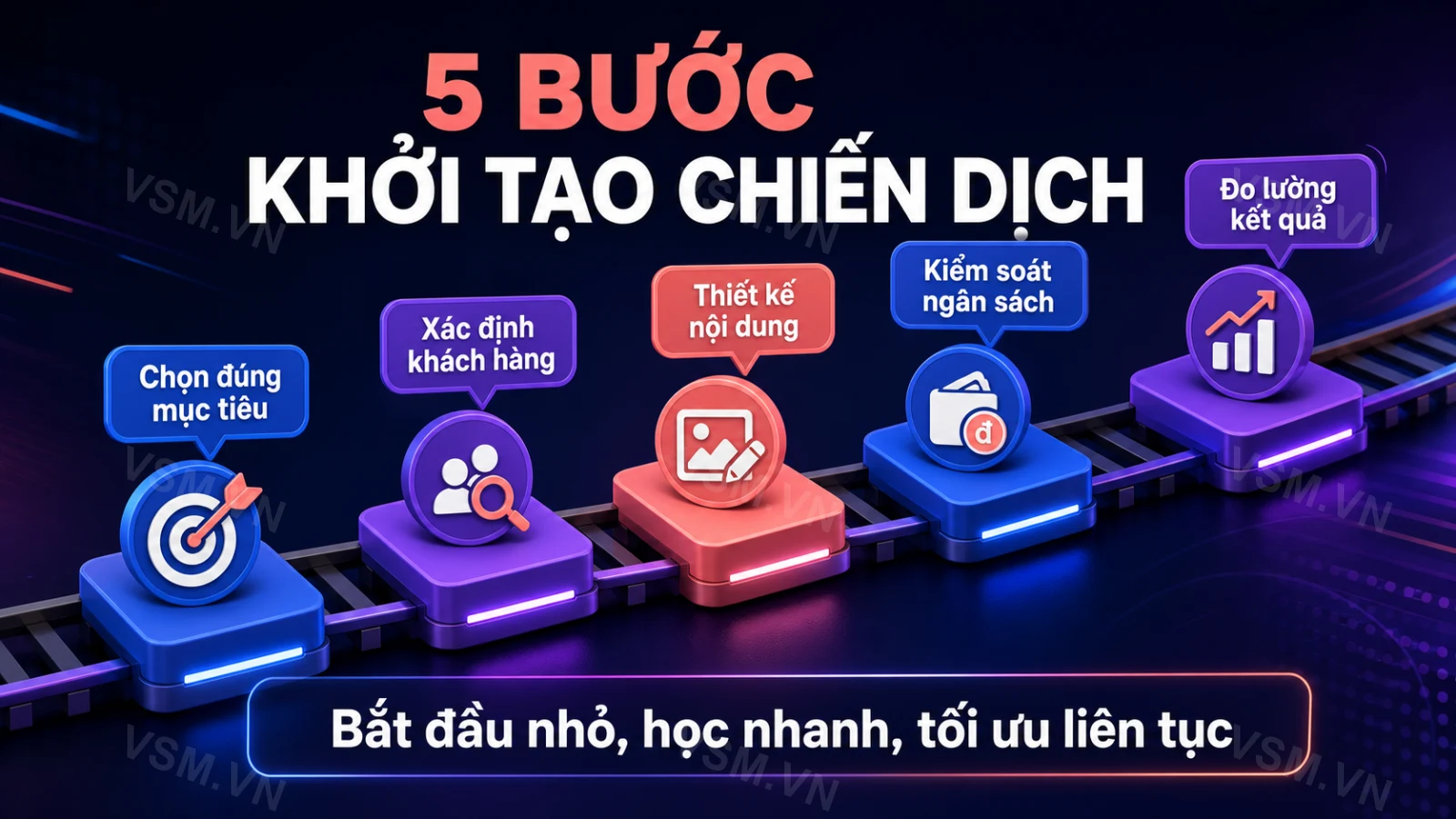
Step 1: Connect Your Account and Choose a Management Platform
First, you'll need an Instagram Business or Creator account linked to a matching Facebook Page, then log in to Meta Ads Manager to build your campaign. This is the only place that gives you full access to targeting options, budget controls, and detailed performance tracking — the in-app "Boost Post" tool is quicker but limits many optimization options. Ensure your Facebook Page is fully set up with a profile picture, cover photo, and basic information, as this adds credibility and can influence ad approval.
Actionable Tip: Before logging into Ads Manager, double-check that your Instagram account is indeed a Business or Creator profile. You can switch this in your Instagram app settings under "Account" -> "Switch Account Type." A personal account won't allow you to run ads effectively.
Step 2: Define Your Campaign Objective
Meta Ads Manager requires you to pick one objective: Awareness, Reach, Traffic, Engagement, App Installs, Video Views, Conversions, or Sales. The objective you choose determines how the algorithm optimizes ad delivery, so it's important to get it right from the start. For example, if your goal is direct sales, choose Conversions or Sales rather than Engagement — the Engagement objective only optimizes for likes and comments, not purchase behavior.
Understanding Key Objectives:
- Awareness: Ideal for introducing a new brand or product to a wide audience. Focuses on showing your ad to as many people as possible who are likely to remember it.
- Traffic: Drives people to a specific destination, like your website, blog post, or a specific product page.
- Engagement: Aims to get more post engagements (likes, comments, shares), page likes, event responses, or offer claims. Useful for building a community.
- Leads: Collects information from potential customers, often through instant forms within Instagram.
- Sales (Conversions): Drives valuable actions on your website or app, such as purchases, sign-ups, or adding items to a cart. This requires the Meta Pixel or Conversions API to be set up.
Choosing the wrong objective is a common mistake that wastes budget. Always align your objective directly with your business goal. If you want to sell products, 'Sales' is your best bet. If you simply want more people to know about your brand, 'Awareness' or 'Reach' would be more suitable.
Step 3: Target Your Audience and Set a Budget
This is the single most important step in determining campaign performance. You can target by age, gender, location, interests, and shopping behavior, or build a Custom Audience from your existing customer list or people who've already engaged with your page. Beginners should test with a small budget — around 100,000-200,000 VND per day — for the first 3-5 days to gather data before scaling up spend on the audience segments that perform best.
Advanced Targeting Options:
- Demographic Targeting: Basic filters like age, gender, education, relationship status, job titles.
- Interest Targeting: Based on users' interests, pages they like, and topics they engage with. For example, targeting users interested in "yoga," "vegan food," or "small business marketing."
- Behavioral Targeting: Based on purchase behavior, device usage, travel habits, and more. This is powerful for e-commerce.
- Custom Audiences: Upload customer lists (emails, phone numbers) to target existing customers or create Lookalike Audiences. You can also target people who have engaged with your Instagram profile, watched your videos, or visited your website (via the Meta Pixel).
- Lookalike Audiences: Created from your Custom Audiences, these target new people who are similar to your existing customers or website visitors, expanding your reach to high-potential prospects.
When starting, don't make your audience too narrow. An audience size of 1-5 million people is a good starting point for broad targeting in Vietnam, allowing the algorithm enough room to find optimal users. As you gather data, you can refine and segment further. Remember, your budget should be sufficient to exit the learning phase (typically 50 conversions within 7 days for conversion campaigns) for the algorithm to optimize effectively.
Step 4: Design Your Ad Creative
Creative quality drives most of a campaign's performance, more so than budget. For Reels Ads and Story Ads, the content needs to grab attention within the first 2-3 seconds, include captions since most viewers watch with the sound off, and end with a clear call to action. Prepare a few different versions for A/B testing, since it's hard to predict in advance which one will land the highest engagement rate.
Key Elements of Effective Ad Creative:
- Visual Hook: The first few seconds of a video or the primary image must be visually striking to stop the scroll. Use bright colors, dynamic movement, or intriguing close-ups.
- Clear Value Proposition: What problem does your product solve? What benefit does it offer? Communicate this clearly and concisely.
- Brand Consistency: While experimenting, ensure your ads still reflect your brand's aesthetic and message.
- Mobile-First Design: Most Instagram users are on mobile. Design creatives vertically (9:16 aspect ratio) for Stories and Reels, and ensure text is legible on small screens.
- Call to Action (CTA): A strong, clear CTA tells users exactly what you want them to do next (e.g., "Shop Now," "Learn More," "Sign Up"). Make it prominent.
- Sound & Captions: While many watch with sound off, good audio enhances the experience for those who don't. Always include captions for videos to ensure your message is conveyed regardless.
A/B Testing Your Creatives: Create at least 2-3 distinct ad variations for each ad set. Test different headlines, visuals, CTAs, and even entire creative concepts. Run these variations simultaneously with similar budgets, and after a few days, analyze which one performs best based on your objective (e.g., highest click-through rate for traffic, lowest cost per conversion for sales). Pause the underperforming creatives and allocate more budget to the winners.
Instagram Ads Costs and How to Optimize Your Budget
Instagram advertising costs in Vietnam in 2026 vary by industry and level of competition, but common benchmarks put CPM (cost per 1,000 impressions) at roughly 15,000-40,000 VND and CPC (cost per click) at about 1,500-5,000 VND. Highly competitive industries such as finance, real estate, and cosmetics tend to see higher costs.
To optimize your budget, follow three principles: don't shut a campaign down too early, since the algorithm needs time to get through its learning phase; consolidate several small ad sets into fewer, larger ones to avoid competing against your own budget; and keep an eye on your frequency metric — once it passes 3-4 impressions per week to the same person, the ad quickly starts to feel repetitive and conversion rates drop noticeably.
Factors Influencing Instagram Ad Costs
Beyond industry competition, several other factors significantly impact your ad costs:
- Audience Size and Specificity: Very niche audiences can be more expensive to reach due to less inventory, while overly broad audiences might lead to wasted impressions.
- Ad Placement: Reels and Stories might have different CPMs than Feed or Explore, depending on current demand and performance.
- Ad Relevance Score: Meta assigns a relevance score based on how well your ad resonates with your target audience. Higher relevance scores can lead to lower costs and better delivery. This is why good creative and targeting are paramount.
- Bid Strategy: Whether you use automatic bidding or manual bidding (e.g., cost cap, bid cap) can affect how quickly your budget is spent and the cost per result.
- Time of Year/Seasonality: During peak shopping seasons (e.g., Black Friday, Lunar New Year), ad costs tend to increase due to higher competition.
- Ad Creative Quality: Engaging, high-quality creatives tend to perform better, leading to higher click-through rates and potentially lower costs per result.
Advanced Budget Optimization Techniques
To further refine your budget management, consider these strategies:
- Use Campaign Budget Optimization (CBO): Instead of setting budgets at the ad set level, set a single budget for the entire campaign. Meta's algorithm then automatically distributes the budget across your ad sets to get the most results, making it highly efficient for campaigns with multiple ad sets.
- Implement Bid Caps or Cost Caps (Advanced): For experienced advertisers, these strategies allow you to tell Meta the maximum you're willing to pay per result (cost cap) or per impression (bid cap). This gives you more control over costs but can limit delivery if your caps are too low. Start with automatic bidding before experimenting with caps.
- Schedule Your Ads: If you know your audience is more active or receptive at certain times of day or days of the week, you can schedule your ads to run only during those peak periods, maximizing impact and minimizing wasted spend. This feature is available at the ad set level.
- Monitor Frequency and Refresh Creatives: As mentioned, high frequency leads to ad fatigue. Beyond 3-4, consider refreshing your ad creatives to keep them fresh and engaging. Test new hooks, visuals, and messaging to combat diminishing returns.
- Leverage Dynamic Creative: This Meta Ads Manager feature allows you to upload multiple images, videos, headlines, descriptions, and calls to action. Meta then automatically mixes and matches these elements to create the best-performing combinations for different users, optimizing delivery and potentially lowering costs.
Safety Notes and Common Mistakes When Running Instagram Ads
- Not verifying your business before running large campaigns: new or unverified accounts are more likely to face budget restrictions or sudden ad account suspensions. Meta prioritizes legitimate businesses, so completing Business Verification is a critical step, especially if you plan to scale your ad spend.
- Targeting an audience that's too broad or too narrow: an audience that's too small makes it hard for the algorithm to optimize, while one that's too broad spreads your budget across people with no real interest. Aim for a "sweet spot" size that allows for adequate reach while remaining relevant. Tools within Ads Manager show estimated audience size.
- Skipping the Pixel or Conversions API: without tracking tools in place, optimization data is incomplete, making it harder for the campaign to improve over time. The Meta Pixel is essential for tracking website conversions and building custom audiences. The Conversions API offers a more robust, server-side tracking solution for greater data accuracy and resilience against browser changes.
- Changing the campaign constantly: editing the budget, audience, or creative too often keeps resetting the campaign into the learning phase, which drags down overall performance. Make significant changes only after the learning phase is complete (typically 3-7 days or after 50 conversions for a conversion objective) and allow at least 24-48 hours for new data to accumulate before making further adjustments.
- Ignoring Ad Relevancy Diagnostics: Meta Ads Manager provides diagnostics like "Quality Ranking," "Engagement Rate Ranking," and "Conversion Rate Ranking." If these are low, it indicates your ad isn't resonating, and you need to improve your creative or targeting.
- Not having a clear landing page experience: Your ad might be great, but if the link leads to a slow, confusing, or irrelevant landing page, users will bounce, wasting your ad spend. Ensure your landing page is mobile-friendly, loads quickly, and directly relates to your ad's message and offer.
- Failing to monitor negative feedback: Users can hide your ads or report them. If you see high levels of negative feedback, it’s a strong signal that your ad is irrelevant or annoying to your audience, and you should pause it and re-evaluate.
You should also follow Meta's advertising policies on content, before/after imagery, and sensitive medical or financial information — repeated violations can get your ad account permanently disabled. Always review the Meta Advertising Policies to ensure compliance and avoid unexpected account issues.
Combining Instagram Ads with Organic Engagement Growth
Paid advertising helps you reach people fast, but it can't fully replace a strong organic engagement foundation. A post that already has solid likes, comments, and views before you put money behind it tends to perform better, since a high engagement rate is a positive signal to the distribution algorithm and builds credibility with new viewers. That's why many brands choose to run ads alongside VSM's Instagram engagement growth service, giving posts a solid foundation before scaling up ad spend, which helps optimize costs and shortens the time it takes to reach your goals.
On top of that, view counts also directly affect how well Reels ads get distributed. If you'd like to explore complementary tactics, take a look at these effective ways to increase Instagram views to apply alongside your campaigns, helping your content reach further organically before you put it behind paid ads.
The Synergy Between Paid and Organic Strategies
Think of organic reach as the foundation of your house, and paid ads as the rocket fuel. Without a strong foundation, the rocket might launch, but it won't have a stable place to land. A strong organic presence provides:
- Social Proof: An active, engaging profile with a good follower count and consistent engagement makes your ads more credible. When a new user sees your ad, they'll often check your profile. A vibrant organic presence reinforces trust.
- Audience Insights: Your organic content can be a testing ground for what resonates with your audience. Which posts get the most likes, comments, or shares? These insights can inform your ad creative and messaging, reducing guesswork and improving ad performance.
- Retargeting Opportunities: People who engage with your organic content (watching your Reels, liking your posts, visiting your profile) can be segmented into Custom Audiences for retargeting. This allows you to show ads specifically to warm leads who are already familiar with your brand, often at a lower cost per conversion.
- Content for Ads: Your best-performing organic posts and Reels can often be repurposed or form the basis of your ad creatives. This saves time and leverages content you already know works.
- Brand Loyalty: While ads drive immediate results, organic engagement fosters long-term relationships and builds a loyal community around your brand, which is invaluable for repeat business and word-of-mouth marketing.
Conversely, paid ads can significantly amplify your organic efforts by driving new followers to your profile, increasing engagement on key posts, and boosting visibility for your best content. It's a symbiotic relationship where each strategy strengthens the other, leading to more sustainable and cost-effective growth.
Practical Steps to Integrate Paid and Organic
- Amplify High-Performing Organic Content: Identify your top 10-20% best-performing organic posts (Reels, carousels, images). Instead of creating entirely new ad creatives, use these proven winners as the basis for your ad campaigns.
- Drive Traffic to Your Profile: Use "Profile Visits" or "Reach" objectives in your ad campaigns to bring new users to your Instagram profile. Once there, your strong organic content should convert them into followers or engaged visitors.
- Retarget Organic Engagers: Create Custom Audiences of people who have interacted with your Instagram profile, saved your posts, or watched a certain percentage of your videos. Then, run specific ads to these warm audiences with a conversion-focused objective.
- Use Ads for Follower Growth: While not a direct objective, you can optimize for engagement or profile visits with the secondary goal of acquiring followers. Ensure your profile is optimized to convert visitors into followers.
- Utilize Instagram Shopping Features Organically: Set up Instagram Shop and tag products in your organic posts and Stories. Then, use Shopping Ads to amplify these product listings, creating a seamless shopping experience from organic discovery to paid conversion.
- Track Both: Monitor both your organic growth metrics (follower growth, engagement rate, reach) and your paid ad metrics (CPM, CPC, ROAS). Look for correlations – does an increase in ad spend also boost organic reach or follower growth?
Frequently Asked Questions
What's the minimum budget needed to run Instagram Ads? Meta lets you run ads with a budget as low as about 40,000-50,000 VND per day; however, to gather enough data for optimization, it's best to keep a minimum of 100,000-150,000 VND per day during the initial 3-5 day testing phase. For conversion campaigns, aim for a budget that allows for at least 50 conversions per week to exit the learning phase effectively.
Are Instagram Ads and Facebook Ads the same thing? Both are managed through the same Meta Ads Manager, sharing the same targeting tools and data, but you can choose to run ads exclusively on Instagram or combine both platforms within a single campaign. The key difference lies in the placement and the best practices for creative content on each platform.
How long does it take to see results from Instagram Ads? It typically takes about 3-7 days for the algorithm to finish its learning phase and start optimizing delivery consistently; judging performance too early — under 2-3 days — usually gives you an inaccurate picture. For conversion-focused campaigns, ensure you hit at least 50 conversions within a 7-day window for optimal learning.
Should you run ads yourself or hire a professional service? If you're just starting out with a small budget, running ads yourself is a reasonable way to learn the ropes; once your budget grows or you need to optimize more complex conversion funnels, partnering with an experienced agency helps you avoid wasting money on trial and error. Agencies often have access to advanced tools, deeper insights, and a proven track record that can significantly boost your ROI.
What is the Meta Pixel and why is it important? The Meta Pixel is a piece of code you place on your website that allows you to track website visitors, monitor their actions (like purchases or add-to-carts), and build audiences for retargeting. It's crucial for optimizing conversion campaigns, understanding customer journeys, and measuring the true ROI of your Instagram Ads.
How often should I refresh my ad creatives? The ideal frequency for refreshing ad creatives depends on your audience size and ad spend. For smaller audiences or high ad spend, you might need to refresh every 2-4 weeks to combat ad fatigue. For larger audiences and lower spend, you might get away with 4-8 weeks. Always monitor your frequency metric and engagement rates for signs of fatigue.