
Social Media Engagement Boosts: Safe or Risky? Insights for 2026
Vietnamese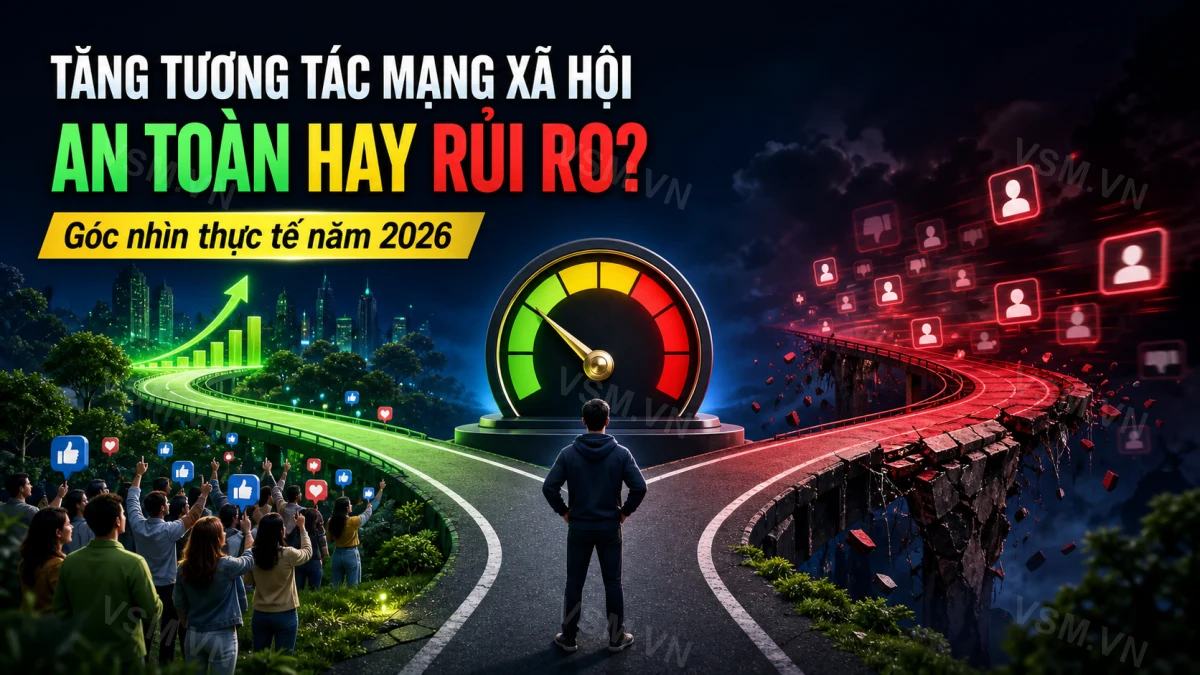
Quick answer: Social media engagement by 2026 presents a nuanced landscape, leaning towards a safe bet for brands that prioritize genuine connection over viral stunts. While the potential for missteps remains – a poorly timed post or insensitive comment can still cause significant backlash – the increasing sophistication of AI-driven analytics offers unprecedented insights into audience sentiment and risk mitigation. Companies investing in authentic, value-driven content and responsive community management will likely see positive returns, while those chasing fleeting trends risk alienating their base.
As social media becomes a primary channel for businesses and individuals to reach customers, the need to boost social media engagement is increasingly popular. A post with numerous likes, comments, and shares not only creates a crowd effect but also helps algorithms prioritize content visibility to more users. However, alongside these benefits come concerns about whether buying likes and follows is safe or if it might lead to detection and penalties by platforms.
This article will specifically analyze common risks when increasing engagement incorrectly and outline criteria to help you identify a safe and sustainable engagement-boosting solution for 2026—a time when platforms like Facebook, TikTok, and Instagram are continuously tightening algorithms against spam and fake accounts.
What is Social Media Engagement Boosting?
Social media engagement boosting involves increasing metrics such as likes, comments, shares, follows, or views on platforms like Facebook, Instagram, TikTok, and YouTube. There are two main approaches: organic growth through quality content and paid advertising on the platform itself, or using third-party services to quickly boost metrics in a short time.
The most common goal is to create social proof—when a fan page or account has high engagement, new viewers are likely to trust and engage, thereby driving actual customer conversions.
The Psychology Behind Social Proof
Social proof is a psychological phenomenon where people assume the actions of others in an attempt to reflect correct behavior for a given situation. On social media, this translates to: if many people like, comment on, or follow a piece of content or an account, new visitors are more likely to perceive it as valuable, trustworthy, or popular. This unconscious bias can significantly influence their decision to engage further, follow, or even make a purchase.
- Validation: High engagement signals that the content is validated by a large audience, making it seem more credible.
- Popularity: People are drawn to what's popular. A high number of likes or followers suggests the account or content is trending and worth their attention.
- Trust: In the absence of direct experience, users often rely on the collective opinion of others. High engagement can build a sense of trust and authority.
Why Traditional Organic Growth is Challenging for New Accounts
While organic growth is the ideal, it presents significant hurdles, especially for nascent accounts or businesses:
- Algorithm Bias: Social media algorithms often favor content that already has engagement. New accounts start with zero, making it harder to break through the initial visibility barrier.
- Content Saturation: Every second, millions of pieces of content are uploaded. Standing out organically requires exceptional quality, consistent effort, and often, a stroke of luck.
- Time Investment: Building a substantial organic following and engagement takes months, if not years, of dedicated content creation, community management, and trend analysis. Many businesses cannot afford this luxury of time.
- Initial Credibility Gap: Without an existing audience, it's hard to generate the initial social proof needed to attract more followers. It's a classic "chicken and egg" problem.
Common Risks of Improper Engagement Boosting
Not all forms of engagement boosting are safe. Many accounts have faced bans, content visibility reductions (shadow bans), or financial loss due to choosing the wrong method or provider. Typical risks include:
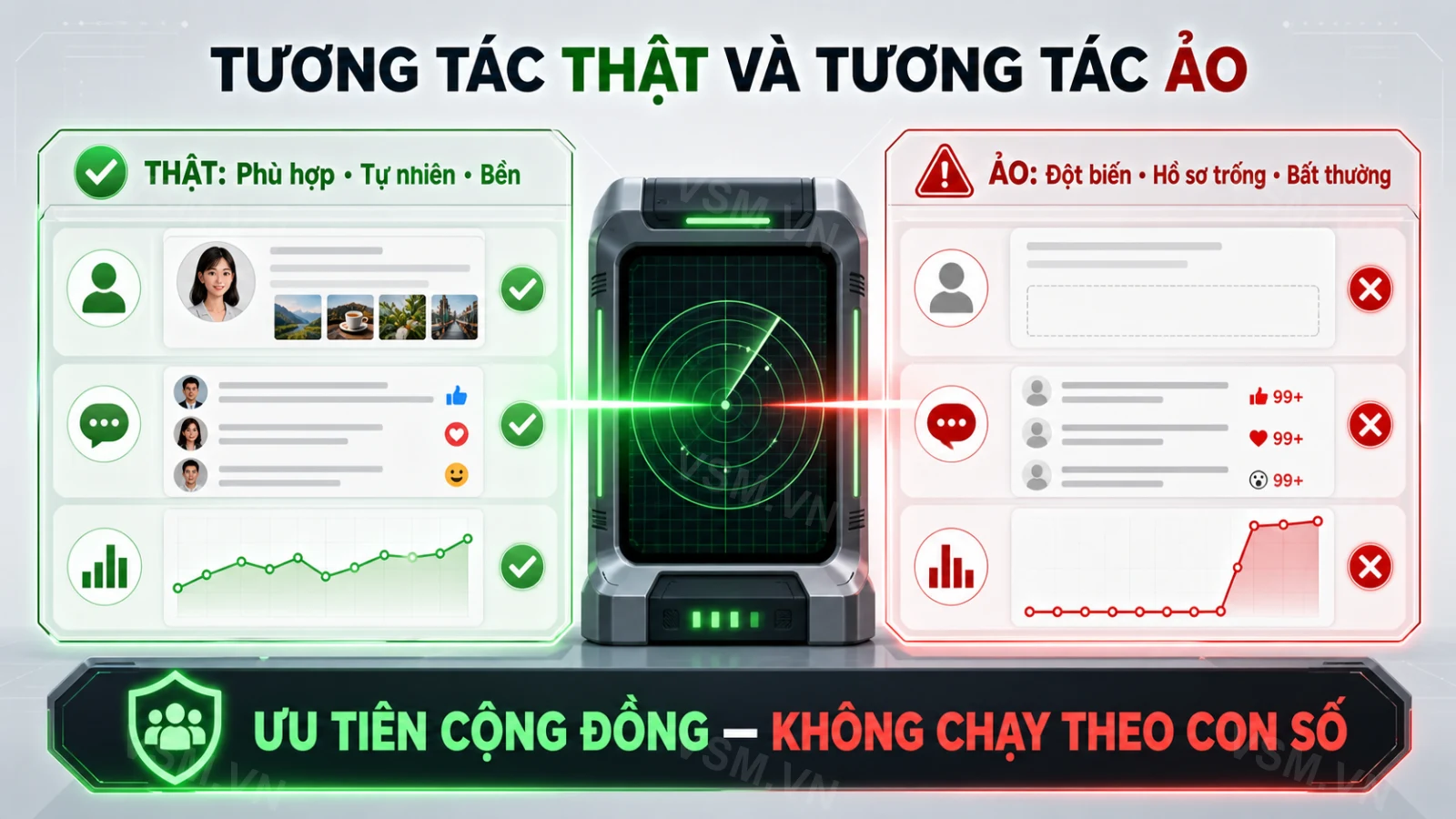
- Interactions from fake accounts or bots: Accounts with no avatar, no posts, and simultaneous mass interactions can easily be flagged by platform AI systems as suspicious activity. These bots are often easily identifiable through their lack of profile completeness, generic usernames, and highly similar comment patterns.
- Violation of terms of service: Most platforms have policies against "engagement fraud." If detected, it can lead to reduced reach, content removal, or permanent account bans. For example, Instagram explicitly states it prohibits "artificial engagement."
- Leakage of login information: Some unreliable services require account passwords for "optimization," posing risks of losing control over fan pages or customer data theft. This is a critical security vulnerability that no legitimate service should ever demand.
- Sudden abnormal interaction spikes: A regular post suddenly jumping to thousands of likes in minutes can trigger algorithm suspicion and potentially reduce visibility. Algorithms are designed to detect unnatural growth patterns.
- Fake metrics that don't lead to real conversions: Interactions from fake or foreign accounts with no genuine interest won't generate revenue and may skew data for future ad optimization. This creates a false sense of success that doesn't translate to business goals.
- Reputational Damage: If your audience discovers your engagement is fake, it can severely damage your brand's credibility and trustworthiness. Authenticity is highly valued by consumers.
- Resource Waste: Investing money in fake engagement is a direct waste of marketing budget that could be better spent on genuine content creation, paid advertising to real audiences, or community building.
Understanding Platform Algorithms and Detection Mechanisms
Social media platforms invest heavily in AI and machine learning to maintain the integrity of their ecosystems. They are constantly evolving their detection mechanisms to identify and penalize inauthentic behavior. Key aspects they monitor include:
- Growth Anomalies: Sudden, massive spikes in followers, likes, or views that don't correlate with other metrics (e.g., no corresponding increase in comments or shares, or very low engagement rate from new followers).
- Account Behavior Patterns: Bots often exhibit highly repetitive and non-human behavior – liking thousands of posts in a short period, following and unfollowing rapidly, or posting generic comments.
- IP Address and Location Data: Clusters of interactions originating from suspicious IP ranges or geographical locations inconsistent with the target audience can trigger flags.
- Engagement Quality: Low-quality comments (e.g., "Great post!" on every piece of content), irrelevant comments, or comments in a foreign language on a domestic-focused page are tell-tale signs.
- Profile Completeness: Bots often have incomplete profiles – no profile picture, no bio, no posts, or very few followers of their own.
When these signals are detected, platforms may initiate various penalties, from shadow bans (reduced visibility without explicit notification) to content removal, temporary account suspensions, or even permanent bans.
What is Safe Engagement Boosting?
An engagement-boosting solution is considered safe if it meets criteria such as interactions coming from real accounts or those mimicking genuine user behavior, controlled growth rates (gradual, not abrupt), no requirement to share passwords or account management rights, and adherence to platform technical limits.
Criteria to Identify Reputable Services
- Clear warranty policy if metrics drop after boosting. A reputable service stands behind its work and offers recourse if the engagement provided proves to be fleeting.
- No password login required, only the public link of the post/page. This is non-negotiable for security. Any service asking for your password should be immediately dismissed.
- Allows customization of growth rate (gradual increase over hours, days) instead of all at once. This mimics natural growth and helps avoid triggering platform algorithms.
- Transparency regarding interaction sources, with specific advice available for customer queries. They should be able to explain how they source their engagement, even if not revealing proprietary methods.
- Support team and clear contact channels, not disappearing after payment. Good customer service is a hallmark of a professional provider.
- Positive and verifiable client testimonials: Look for reviews on independent platforms, not just on their own website.
- Specialization in specific platforms: Services that understand the nuances of Facebook, Instagram, or TikTok algorithms are generally more effective and safer.
- Ethical guidelines and disclaimers: A good service will educate clients on the risks and best practices, rather than making unrealistic promises.
On competitive platforms like Facebook, many businesses opt to use professional Facebook services rather than experimenting on their own, as the process is controlled in terms of growth rate, interaction source, and clear warranty commitments, minimizing risks of page bans or visibility reduction.
How Reputable Services Mimic Genuine User Behavior
The key to safe engagement boosting lies in its ability to simulate organic growth as closely as possible. Reputable services achieve this through several sophisticated methods:
- Drip-Feeding Engagement: Instead of delivering all 1000 likes in 5 minutes, they might deliver 100 likes per hour over 10 hours, or even spread it over several days. This gradual increase appears natural to algorithms.
- Geographic and Demographic Targeting (where possible): Some advanced services can target engagement from specific regions or even user types, making the interactions more relevant to your audience.
- Diverse Interaction Types: Instead of just likes, they might offer a mix of likes, comments (contextually relevant, not generic), shares, and saves, mimicking a complete organic user journey.
- Real-Looking Accounts: While not always "real" people in the traditional sense, the accounts used are often aged, have profile pictures, a history of posts, and a reasonable follower count, making them less likely to be flagged as bots.
- Adherence to API Limits: Professional services understand and respect the rate limits imposed by social media APIs, preventing suspicious activity flags from excessive requests.
It's crucial to understand that even the best "assisted" engagement is a simulation. Its purpose is to kickstart visibility and social proof, not to replace genuine audience interaction. The goal is to make your content appear popular enough to attract real users who will then engage authentically.
Comparing Organic and Assisted Engagement Boosting
Organic growth relies entirely on content quality, posting frequency, and genuine community engagement. The advantage is sustainability and no policy violations, but it takes significant time, especially for new accounts without a foundational follower base.
Conversely, using services to boost engagement shortens the initial phase, creating initial social proof so content is more likely to be algorithmically recommended. However, support services should only provide an initial "push" and cannot replace a long-term content strategy. The most effective approach in 2026 is to combine both: invest in quality content as a foundation while using reputable engagement-boosting services to accelerate the initial phase or important campaigns.
The Synergistic Approach: Organic + Assisted
In the evolving social media landscape of 2026, a purely organic strategy can be painstakingly slow, and a purely assisted strategy is fraught with risks and lacks long-term value. The optimal approach is a strategic blend:
- Foundation of Quality Content: This is non-negotiable. No amount of boosted engagement can sustain a page with poor, irrelevant, or unengaging content. Focus on understanding your audience, creating value, and maintaining a consistent brand voice.
- Strategic Application of Assisted Boosting:
- Initial Launch: For new pages or products, a modest boost in followers or likes can provide the initial social proof needed to attract early organic adopters.
- Key Campaigns: When launching an important marketing campaign, a surge in engagement on specific posts can amplify their reach and make them appear more successful, encouraging more organic shares and comments.
- Overcoming Algorithm Hurdles: If a post isn't performing as expected despite its quality, a small, controlled boost can sometimes help it break through initial algorithm barriers and gain wider visibility.
- Competitor Analysis: In highly competitive niches, a baseline level of engagement might be necessary to simply appear on par with established players.
- Continuous Monitoring and Adjustment: Track the performance of both organic and assisted engagement. Analyze which types of content resonate, which boosting methods are most effective, and adjust your strategy accordingly.
- Community Engagement: Even with assisted boosting, actively engage with your audience. Respond to comments, participate in discussions, and foster a genuine community. This builds loyalty and converts boosted interest into lasting relationships.
Case Studies: When to Use Assisted Boosting
Consider these scenarios where a blended approach proves effective:
- New Business Launch: A startup launching its social media presence from scratch. Boosting initial followers and likes on foundational posts can make the page look established and credible, attracting real customers who might otherwise ignore a page with zero engagement.
- Product Launch Campaign: A brand releasing a new product. Boosting likes and comments on announcement posts or promotional videos can create buzz and make the product appear highly anticipated, driving early sales.
- Influencer Collaboration: When collaborating with an influencer, boosting engagement on their sponsored post can enhance the perceived success of the campaign, making it more attractive for future collaborations and increasing the overall reach.
- Revitalizing a Stagnant Page: An older page with great content but dwindling engagement. A controlled boost can reignite visibility and attract new eyes, giving the quality content a second chance to shine.
In all these cases, the assisted boosting acts as a catalyst, not a replacement for fundamental marketing principles. It's about leveraging a tool to achieve specific, short-term objectives that support a broader, long-term organic growth strategy.
Notes on Choosing an Engagement Boosting Service Provider
Before deciding to use any service, thoroughly research the provider: their operational history, reviews from previous clients, warranty policies, and particularly their technical implementation methods. For detailed insights into the process on the most popular platforms today, consider reading the article on how to buff likes on Facebook safely and effectively to understand the necessary steps and avoid common mistakes that could lead to account risks.
Additionally, avoid "suspiciously cheap" service packages—these are often signs of unchecked large-scale fake interactions or bots, which platforms can easily detect and remove after a few days. A reasonable price with a quality commitment is always a safer long-term choice.
Due Diligence Checklist for Service Providers
When evaluating potential engagement boosting services, use this checklist:
- Website Professionalism: Does their website look legitimate and well-maintained? Is there clear information about their services, terms, and contact details?
- Transparent Pricing: Are prices clearly listed without hidden fees? Suspiciously low prices are a major red flag.
- Customer Support: Do they offer multiple ways to contact support (email, live chat, phone)? Test their responsiveness before committing.
- Reviews and Testimonials: Look for reviews on third-party sites like Trustpilot, Google Reviews, or independent forums. Be wary of only positive reviews on their own site.
- Service Guarantees: Do they offer a refill guarantee if engagement drops? A money-back guarantee? Understand the terms.
- Security Practices: Emphasize again: they should NEVER ask for your password. Ensure their website uses HTTPS.
- Growth Control Options: Can you specify the speed of delivery? The ability to drip-feed engagement is crucial for safety.
- Platform Specialization: Do they claim to be experts in the specific platform you need help with (e.g., Facebook, TikTok, Instagram)? Generalized services might be less effective.
- Educational Resources: Do they provide guidance on best practices for combining boosted engagement with organic strategies? This indicates a partner, not just a seller.
The Dangers of "Cheap" Engagement
The temptation to opt for the cheapest service is strong, but it's a false economy on social media. Here's why:
- Bot Networks: Extremely cheap services almost invariably rely on vast networks of easily detectable bots. These bots are often created en masse, have identical behaviors, and lack any semblance of real user profiles.
- Rapid Detection and Removal: Social media platforms are highly efficient at identifying and purging these low-quality bots. Your cheap likes and followers will disappear as quickly as they arrived, often within days or even hours.
- Account Penalties: The use of such services significantly increases your risk of shadow bans, reduced reach, or even permanent account suspension. The short-term gain is far outweighed by the long-term damage.
- Zero ROI: Engagement from fake accounts provides no actual value. They won't convert into customers, won't share your content with real people, and won't contribute to your brand's community. You're paying for numbers that mean nothing.
- Data Skewing: Fake engagement pollutes your analytics. It becomes impossible to accurately assess what content resonates with your actual audience, making future marketing decisions based on flawed data.
Think of it as investing in quality. A slightly higher price for a reputable service often means they are employing more sophisticated methods, using higher-quality accounts, and prioritizing your account's safety over sheer volume. This investment is crucial for maintaining your online reputation and ensuring your social media efforts contribute positively to your business goals.
Looking Ahead to 2026: The Evolving Landscape
As we approach 2026, social media platforms will continue to refine their algorithms and strengthen their defenses against inauthentic engagement. Machine learning will become even more sophisticated, capable of detecting subtle anomalies in user behavior and growth patterns. This means:
- Increased Scrutiny: Accounts exhibiting sudden, unnatural growth will face even higher scrutiny.
- Smarter Bot Detection: Basic bot networks will become obsolete as AI can differentiate between human and automated behavior with greater accuracy.
- Emphasis on Authenticity: Platforms will increasingly reward genuine interaction, original content, and community building.
- Adaptive Services: Reputable boosting services will need to constantly adapt their methods to stay ahead of platform updates, investing in research and development to ensure their techniques remain effective and safe.
Therefore, choosing a service that demonstrates an understanding of these future trends and commits to adaptive, safe practices will be paramount for any business looking to leverage assisted engagement successfully.
Actionable Steps for Sustainable Engagement Boosting
- Define Your Goals: Clearly articulate why you want to boost engagement. Is it for initial social proof, campaign amplification, or overcoming a growth plateau?
- Budget Appropriately: Allocate a realistic budget for quality services. Avoid the cheapest options.
- Choose Reputable Providers: Use the checklist provided to vet services thoroughly. Prioritize security, transparency, and customer support.
- Start Small and Test: Don't commit to large packages immediately. Start with a smaller order to see how the service performs and how your account responds.
- Monitor Analytics Closely: After boosting, track your organic reach, new follower growth, and overall engagement rates. Look for any negative impacts.
- Maintain Content Quality: Remember, assisted boosting is a kickstart, not a long-term solution. Continue to invest heavily in creating valuable, engaging content.
- Engage Organically: Actively respond to comments, messages, and participate in relevant communities. Build genuine connections.
- Diversify Your Strategy: Don't put all your eggs in one basket. Combine assisted boosting with paid ads, influencer marketing, and cross-platform promotion for holistic growth.
Frequently Asked Questions
Does boosting social media engagement violate platform terms? This depends on the method. Using large-scale bots or sudden spikes may violate policies, while genuine interactions at a reasonable pace carry much lower risk.
Can buying engagement lead to account bans on Facebook or TikTok? The risk of account bans mainly stems from using low-quality services, rapid increases, or providing passwords to third parties. Choosing reputable services and controlling growth rates significantly reduces this risk.
How to distinguish between safe and low-quality engagement boosting services? Safe services are transparent about interaction sources, do not require passwords, offer warranties, and control growth rates. Low-quality services often promise large volumes in extremely short times at suspiciously low prices.
Should engagement boosting be combined with organic content building? Yes. This is the recommended strategy: use support services for initial momentum while also investing in quality content to maintain genuine engagement and sustainable growth over time.
Q: How long does boosted engagement typically last? A: Quality-boosted engagement, especially from accounts mimicking real users, tends to be more stable. However, platforms regularly purge inactive or suspicious accounts. Reputable services often offer a refill guarantee for a certain period if metrics drop significantly.
Q: Is it possible to target specific demographics or locations with engagement boosting? A: Some advanced services offer limited targeting options, such as geographic regions. However, precise demographic targeting (e.g., age, interests) is generally only achievable through platform-native paid advertising, not third-party boosting services.